
Journey OfInfertility
Journey Of Infertility

Encouragement and understanding for every step.

Trying to conceive and fertility treatment can bring hope, uncertainty and difficult emotions. Journey Of Infertility shares lived experience, encouragement and trusted sources of help.


  • Compassionate and honest
  • Inclusive of every family
  • No pressure or false promises
A winding path through soft green grass in morning light
You’re not alone.Encouragement for every step
  • Shared experienceHonest accounts from people who understand
  • EncouragementThoughtful words for difficult days
  • Colouring booksFor adults and children
  • SignpostingTrusted UK organisations
Our areas of focus

Whatever your story, there is space for it here.

Journey Of Infertility focuses on four parts of the fertility journey. Every experience is different, so please take whatever is helpful to you.

  1. Trying to conceive

    Hoping for a baby

    Trying to conceive can bring hope, uncertainty and many emotions. Looking after your wellbeing matters, and all of your feelings are valid.

    Caring for your wellbeing
  2. Fertility treatment

    During IVF or treatment

    Appointments, decisions and waiting can feel overwhelming. Hearing from others who have been through treatment can help you feel less alone.

    Shared experience
  3. After a difficult outcome

    After a cycle that didn’t work, or a loss

    There is no right way to feel and no timetable for grief. Specialist organisations can offer support whenever you need it.

    Trusted organisations
  4. Supporting someone

    Partners, family and friends

    Fertility challenges affect the people around you too. Listening, patience and kindness can make a real difference.

    Ways to help

Two people holding hands under a soft blanket
A journey shared

The emotional impact is real.

Trying to conceive can bring uncertainty, isolation and heartbreak. It may feel as though others are moving forward while you are waiting.

“After our first IVF cycle did not work, it took months to recover from the heartbreak and disappointment.”

Talking openly and hearing from others can make the experience feel less isolating. Journey Of shares honest experience, without pressure or judgement.

Journey Of books

Colouring books.

Colouring books for adults and children, created with care. More of our storybooks are on Journey Of Parenting.

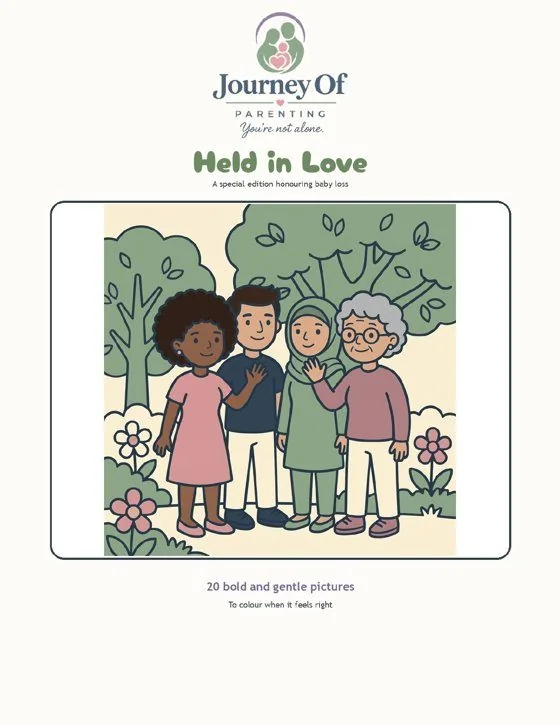
Front cover of Held in LoveComing soon

Held in Love

A colouring book for adults honouring pregnancy and baby loss, created for every kind of family.
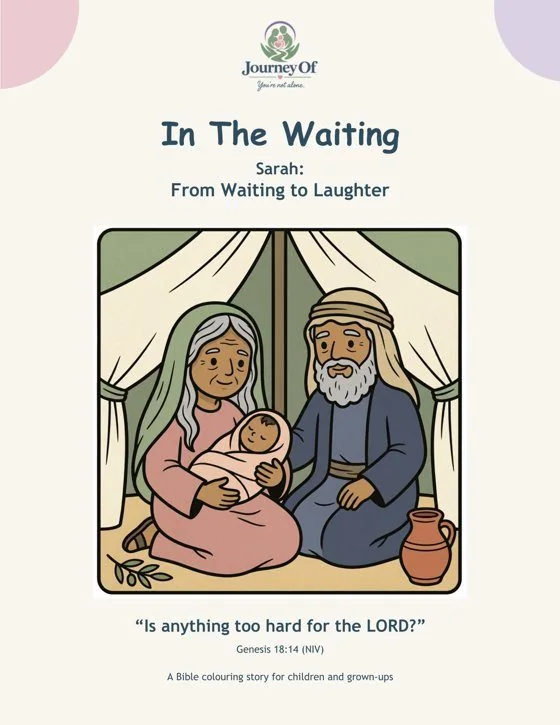
Front cover of In The Waiting: Sarah, From Waiting to LaughterComing soon

In The Waiting

Bible colouring stories for anyone in a season of waiting. Faith is welcome but never required.

Follow us on Instagram for updates

Guides and helpful reading

Fertility and the workplace.

Free, plain-English guides to help people talk about fertility at work, and to help workplaces respond with understanding. Download, read and share.
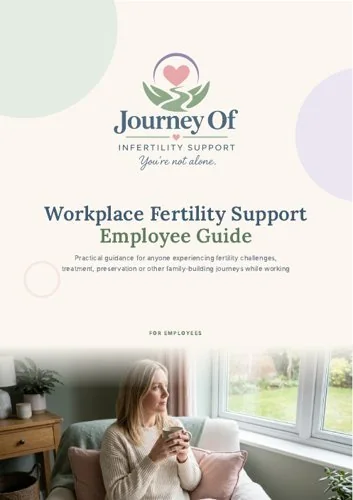
Cover of the Workplace Fertility Support Employee Guide
For employees

Workplace Fertility Support: Employee Guide

Practical guidance for anyone going through fertility challenges, treatment or other family-building journeys while working. Includes how to talk to your manager, a conversation template and an emotional wellbeing toolkit.

PDF · 13 pages

Download the Employee Guide
Cover of the Workplace Fertility Support Guide
For employees, managers and workplace leaders

Workplace Fertility Support Guide

The full guide, with pathways for employees, managers and workplaces. Includes guidance for managers, an adjustment planner and advice on creating an inclusive workplace culture.

PDF · 15 pages

Download the full guide

These guides offer general workplace guidance. Organisational policies and individual circumstances will vary.

Helpful reading

  • Starting out

    Who to speak to first, and how to look after yourself.

    Starting to think about your fertility can bring many questions. You don’t need to have all the answers straight away. These gentle first steps may help.

    Who you might speak to first

    • Your GP. Your GP is usually the best first step. They can talk through your situation, arrange initial checks and explain your options, including whether NHS treatment may be available where you live. The NHS suggests seeing your GP if you have not conceived after a year of trying, or sooner if you are 36 or over or already know of something that may affect your fertility. Whatever your circumstances or route to parenthood, your GP can explain what applies to you.
    • Someone you trust. A partner, friend or family member can be a source of comfort. You can choose who you tell, and how much you share.
    • A fertility counsellor. Talking to a specialist fertility counsellor can help at any stage, not only during treatment. Licensed fertility clinics must offer you the chance to speak with a counsellor before treatment begins.
    • A licensed clinic. If you are considering private treatment, ask your GP for advice and check that any clinic is licensed by the Human Fertilisation and Embryology Authority (HFEA).
    • Your workplace. If appointments or feelings start to affect work, our workplace guides can help you plan a conversation with your manager.

    Looking after yourself

    • Be kind to yourself. Hope, worry, frustration and sadness are all common. There is no right way to feel.
    • Go at your own pace. It is okay to take things one step at a time, and to pause when you need to.
    • Make time for what you enjoy. Rest, gentle movement, time outdoors and time with people you love can all help.
    • Set boundaries. It is okay to step back from questions, events or social media that feel difficult.
    • Look after your general health. The NHS has information on things that can affect fertility, such as smoking, alcohol and weight. Your GP can give advice that is right for you.
    • Write things down. Keeping a note of questions and dates can make appointments feel more manageable.
    • Ask for help early. If you are feeling low or anxious, talk to your GP or a counsellor. You do not have to wait until things feel very hard.

    If you are struggling to cope, you can call Samaritans free at any time on 116 123. For health worries, contact your GP or NHS 111. In an emergency, call 999.

    This information is general and is not medical advice. Please speak to your GP or clinic about your own circumstances.

  • Preparing for appointments

    Questions you may wish to ask your GP or clinic.

    Appointments can feel rushed or overwhelming, and it is easy to forget what you wanted to ask. A little preparation can help you feel more confident and make the most of your time.

    Getting ready

    • Write your questions down. Put the most important ones first, in case time is short.
    • Gather key information. For example, how long you have been trying, any medicines you take and any relevant health history.
    • Bring someone with you. A partner, friend or family member can offer support and help remember what was said.
    • Take notes. Or ask whether you can record the conversation.
    • Ask for things to be explained again. It is fine to say you have not understood, and to ask for written information.
    • Check what happens next. Before you leave, ask about next steps and who to contact with questions.
    • Be gentle with yourself afterwards. Appointments can be emotional. Plan some time to rest if you can.

    Questions you may wish to ask your GP

    • What might be affecting our chances of conceiving, and which tests could help find out?
    • Which tests are available, and how long will results take?
    • Am I eligible for NHS fertility treatment where I live, and what are the criteria?
    • When might I be referred to a specialist, and how long is the wait?
    • Is there anything in my general health or medicines worth reviewing?
    • Can I be referred for counselling or emotional support?
    • Who should I contact if I have questions while I wait?

    Questions you may wish to ask a fertility clinic

    • Why is this treatment recommended for me, and what are the alternatives?
    • What are my chances of success, given my age and circumstances?
    • What would the next options be if this treatment does not work?
    • Are any treatment add-ons being suggested? What is the evidence, what are the risks and what do they cost?
    • Can you give me a full breakdown of costs, including medicines and tests?
    • What are your refund and cancellation policies?
    • What counselling is available, and is there a charge?
    • Who can I contact with questions, and when is the best time?
    • What consents will I need to give, and how will my information be used?
    • What support is available if treatment stops or does not work?

    Adapted from the HFEA’s guidance on preparing for a clinic appointment.

    Need time off for appointments? Our workplace guides include a conversation template for your manager.

    If you are struggling to cope, you can call Samaritans free at any time on 116 123. For health worries, contact your GP or NHS 111. In an emergency, call 999.

    This information is general and is not medical advice. Please speak to your GP or clinic about your own circumstances.

  • For partners

    Ways to support each other when you may be feeling things differently.

    Fertility challenges can affect each person in a relationship in different ways, and at different times. Feeling differently is normal. It does not mean either of you cares any less.

    Understanding each other

    • People cope differently. Some want to talk things through. Others need space, distraction or practical tasks.
    • Feelings may not arrive together. One of you may feel hopeful while the other feels worried or low.
    • Roles can feel uneven. The person having tests or treatment may feel the physical strain. The other may feel helpless or overlooked.
    • Grief can affect you both. After a cycle that did not work or a loss, each of you may grieve in your own way and in your own time.
    • Big decisions take time. Talking about money, next steps or taking a break can be hard. It is okay to need time.

    Ways to support each other

    • Make time to talk. Choose a calm moment, and listen without rushing to fix things.
    • Ask what would help. A simple “What would help today?” can make a real difference.
    • Share the load. Attend appointments together where you can, and share practical tasks.
    • Agree what you share. Decide together what to tell family, friends and work.
    • Protect time together. Plan time for each other away from fertility conversations.
    • Be patient with each other. Different ways of coping are not right or wrong.
    • Consider counselling. Talking to a counsellor, together or on your own, can help.

    Looking after yourself as a partner

    Partners need support too. It is okay to have your own feelings, and to talk to someone about them.

    Supporting someone on their own?

    Many of these ideas also apply to friends and family supporting someone going through this without a partner.

    If you are struggling to cope, you can call Samaritans free at any time on 116 123. For health worries, contact your GP or NHS 111. In an emergency, call 999.

    This information is general and is not medical advice. Please speak to your GP or clinic about your own circumstances.

Friends sharing a meal around a wooden table
Connection

Community

“Every journey is different. Sharing our experiences can help ease the isolation.”

Sharing experiences can help reduce feelings of isolation. Follow Journey Of for updates, stories and encouragement.

Follow Journey Of

Small white wildflowers in green grass
Wellbeing

Small ways to look after yourself.

There is no right way to cope. Small, manageable steps can help, and your GP or clinic can advise on medical decisions.

For you

  • Talk honestly with someone you trust
  • Make time for rest, movement and things you enjoy
  • Use music, reflection or affirmations if they help
  • Connect with others who understand

For your relationship

  • Remember you may process emotions differently
  • Make time together away from treatment talk
  • Stay curious about what each other needs
  • Value your relationship as it is today

Please note: Journey Of shares lived experience and general support. It does not provide medical advice. Speak with your GP, fertility specialist or another qualified healthcare professional about your own circumstances.

Questions

Good to know.

Answers to some common questions about Journey Of.

Is Journey Of a clinic or support service?

No. Journey Of is a brand that shares lived experience, encouragement and signposting to trusted organisations. It does not provide treatment or medical advice. Please speak to your GP or fertility clinic about your own care.

Who is Journey Of for?

Anyone trying to conceive, going through fertility treatment, or affected by an unsuccessful cycle or a loss, along with their partners, family and friends. Every type of family is welcome.

Where can I find the colouring books?

Our children’s storybooks are listed on Journey Of Parenting . All our colouring books, including Held in Love and In The Waiting, are coming soon. Follow us on Instagram for news of when they are available.

Where can I find support?

The organisations listed below offer information, support and specialist counselling. If you are worried about your health, contact your GP or NHS 111. In an emergency, call 999.

Contact

We’d be glad to hear from you.

If you would like to share your experience or ask a question about Journey Of, please send us a message.